



Small Steps, Big Skills:
How the Best Nursery in Dubai Builds School Readiness
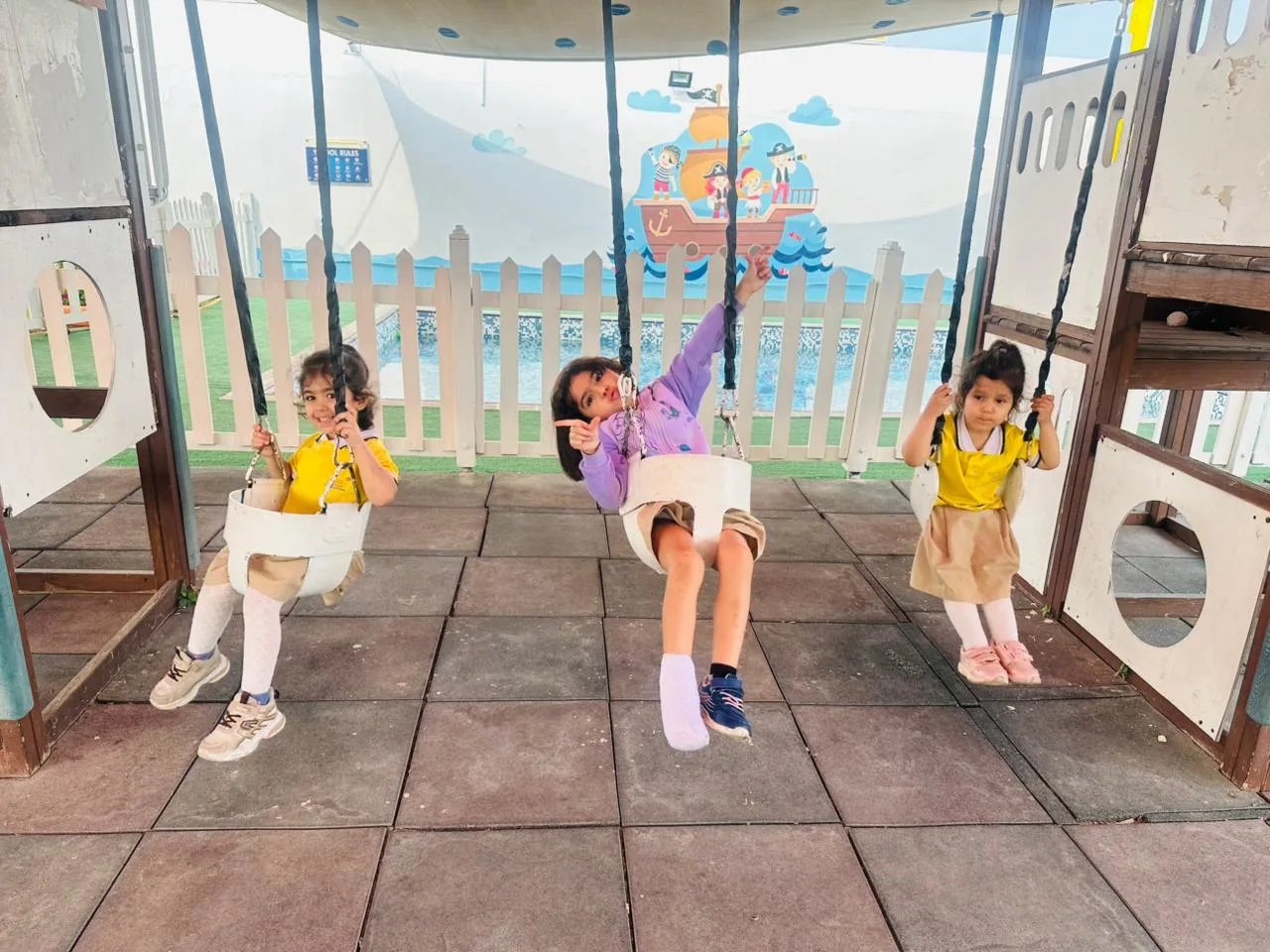
School readiness means more than knowing letters, numbers or shapes before starting school. It also means that young children feel confident, can talk, are able to do things on their own, can get along with others, can pay attention and can follow daily habits. These everyday abilities develop gradually through experiences during the years.
For parents choosing the learning environment can make these small steps more purposeful. A good nursery gives children opportunities to practise skills through play, interaction, exploration, conversations and age-appropriate activities. This approach helps children become comfortable with learning while developing the foundations they need for their stage.
How the Best Nursery in Dubai Supports School Readiness
The Best Nursery in Dubai can support school readiness by focusing on the child rather than just academic preparation. Every child grows at their pace so early education should offer chances to build skills step by step.
School readiness covers important parts of a child’s growth:
Social skills: learning how to play with others take turns and work together
Independence: handling simple tasks like putting on shoes or choosing a snack
Concentration: being able to focus on one activity, for a reasonable amount of time
Problem-solving: trying different ways to finish a job or fix a small challenge
Emotional development: knowing what feelings they have and building self-confidence
Physical skills: improving balance, coordination and fine motor control through play and movement
These things may seem small.. When they come together they help children feel more ready. They help children feel more capable and confident when they start school.
Building Independence Through Everyday Experiences
Independence is one of the most significant building blocks of readiness for schools. Children who are supported in trying out appropriate tasks can build up self-confidence.
This is how a Nursery in Dubai can promote independence in their daily class settings. Children may be supported in organizing their own things, deciding between appropriate activities, doing small jobs, expressing their needs, and participating in class activities.
It should be understood that the aim is not to make children do all things by themselves at a very young age. Educators may provide necessary assistance while allowing sufficient chances to the children to attempt.
Communication Skills Begin Early
Good communication supports every part of a child’s school experience.
Children need to listen to teachers express their thoughts, ask questions, understand instructions and communicate with children.
Storytelling, conversations, songs, group discussions, picture‑based activities and role‑play can create opportunities to practise these skills.
Regular interaction also helps children expand their vocabulary and become more comfortable expressing themselves.
For families searching locally, a best nursery in Dubai should therefore be evaluated not by its learning materials but also by how effectively the environment encourages children to communicate.
Social Skills Prepare Children for Classroom Life
When you move into school you will spend time with a bigger group of children. Learning to wait, share, cooperate, listen and join group activities can make this transition easier.
Learning environments can teach children these skills through team play and guided social experiences.
Children slowly learn that other people may have ideas, preferences and feelings.
Teachers can also help children understand social situations and encourage positive ways to respond to disagreements.
These experiences help children develop awareness and classroom confidence.
Developing Concentration and Problem-Solving Skills
School readiness means that a child can focus on a task and work through challenges. Children naturally grow these skills when they get chances to investigate, build, sort, match, create and experiment. I think that when children play these games they learn how to stay on task and keep trying when things get hard.
By giving an answer right away educators can ask children to think about possible solutions. This builds curiosity and persistence in children. It also helps children see that a challenge can be tackled step by step. Educators who ask questions than give answers keep children curious and engaged.
A well‑planned Nursery in Dubai can give learning opportunities that let children try hands-on activities. Those activities make children active participants, not passive listeners. Such a Nursery shows that learning can be fun and practical.
Why Play Matters in Early Learning
Play is a part of early childhood development because children can practise many skills at once. For example a pretend‑play activity can involve communication, imagination, cooperation, decisionmaking and emotional expression.
Creative activities support motor development. Movement‑based experiences help coordination. Build physical confidence. Simple games introduce concepts such as turn‑taking, following rules, memory and attention.
For this reason school readiness should not be seen as formal academic training. Children can build foundations while partaking in activities that feel natural and enjoyable.
Mealtimes, Self-Care and Rest Time
Meals are seen as opportunities for independence and learning. Children serve themselves, and manage their own dishes and clean up their own mess following their lessons on those specific skills or on that area. Most importantly this allows children to try new foods or eat from their own containers.
A designated rest or quiet time may also feature for younger children.
Some children choose to read, look at books, or do quiet work until they wish to wake up.
Creating a Positive Learning Mindset
Early education has a goal: helping kids develop a good feeling about learning. Kids who feel safe to ask questions and try things and keep trying after they make a mistake become more confident as time goes on.
Picking a nursery in Dubai for a family depends on things. It depends on the child’s needs, the way they teach, the place they work in the way the teachers act and real-life details, like where it’s what happens every day.
Curiosity Montessori Nursery focuses on creating a learning place where kids develop skills through real and important experiences from their childhood.
How Parents Can Support School Readiness at Home
Parents can reinforce learning through simple everyday routines. Reading together talking about activities encouraging children to put away their belongings involving them in simple household tasks and allowing them to make age-appropriate choices can all support independence.
Parents can also encourage children to describe what they see, explain their ideas, solve problems and practise social situations through pretend play.
The key is consistency, then pressure. Small daily experiences can gradually build the skills children need when they enter schooling.
Frequently Asked Question
1. What is school readiness?
School readiness means having the emotional communication, physical and learning skills needed to participate comfortably in school.
2. When should school readiness begin?
It develops gradually from the years through everyday play, routines, communication and interaction.
3. Is knowledge enough for school readiness?
No. Independence, confidence, communication, concentration and social development are also important.
4. How can parents build school readiness?
Reading conversation, simple routines, play and age-appropriate responsibilities can help.
Conclusion
School readiness does not come from one lesson. It grows through moments and small experiences. Helping children build independence, communication, focus, social confidence, physical skills and the ability to solve problems gives them a base for the next phase of learning.
When choosing the Best Nursery, in Dubai parents should think beyond academics. They should look at how the learning environment supports the child—mind, body and emotions. With guidance and real meaningful experiences little actions today can turn into big skills tomorrow. These early steps help children grow into learners in the years ahead.
Contact us Today